Improving the Code Review Process — Best Practices and Metrics for Success
Improving the Code Review Process — Best Practices and Metrics for Success
Maintaining a balance between feature delivery and code quality is a constant challenge in today’s fast-paced development environment. Code reviews play a crucial role in ensuring the quality of the code being produced.
Code reviews not only help identify and fix errors early in the development cycle, but they also provide an opportunity for developers to learn and share knowledge with each other and improve their coding skills.
However, code reviews can also be time-consuming and frustrating if not done correctly.
Let’s look at some high-level things which can help improve the state of code review in any team/organisation. In the subsequent blog we’ll dig deeper into each of the items and also look at some of the industry best practices.
$ Principles
First of all, set some ground rules, it’s essential to establish a set of principles or guidelines for development.
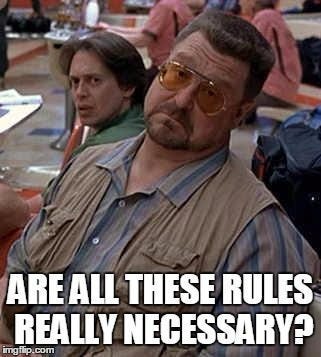
The rules must have absolute authority.
Most teams commit this mistake: they assume that everyone is on the same page about “what is good code” — but nope! Folks in the same team might have a very different understanding of what is good code or design because it depends on their background, previous experience, the programming language, or the kind of system/product.
It’s always helpful to document the rules which everyone agreed upon.
The rules should outline the standards and practices that are expected to be followed. These principles can include things like code style, naming conventions, and best practices for error handling.
Having a shared understanding of these principles will make the code review process more efficient and effective and resolve conflicts.
$ Expectations from Requesters and Reviewers
It’s crucial to set clear expectations for both the requester and the reviewer in the code review process.

The requester should provide a clear description of the changes made and any relevant context.
The reviewer should be clear about what they are looking for in the code review and what level of scrutiny they will apply.
It’s also essential to establish a timeline for the review process, so both parties know what to expect.
$ Best Practices and Checklist
Having a checklist of best practices to follow during the code review process can help ensure consistency and completeness.
This checklist can include items like checking for code style consistency, verifying that the code is properly commented, and testing the code for potential issues. By having a checklist, reviewers can quickly identify any potential issues and ensure that the code meets the established principles.
$ Tracking
Tracking the whole process is important. The objective is not to find faults but challenges individuals face so that they can be worked upon.
Response Time and Quality of Comments are two of the most critical metrics to begin with.
Reviewers should ensure they unblock the PR as soon as they can. It does not mean they should jump on it every time they get a notification. But if you are not in the middle of a focused task, you should do a code review shortly after it comes in.
One business day is the maximum time it should take for the reviewer to respond to a code review request. The developer should do this first thing in the morning.
Quality of comments refers to the depth and thoroughness of the feedback provided.
By tracking these metrics, you can identify any bottlenecks in the code review process and ensure that the feedback provided is of high quality.
$ Conclusion
In conclusion, the code review process is an essential part of the development cycle. By establishing a set of principles and best practices, setting clear expectations, and tracking metrics like response time and quality of comments, you can ensure that the code review process is efficient and effective. By doing so, you can improve the quality of your code and ensure that your team delivers high-quality software to your customers.